
LIPS
Lip Blush
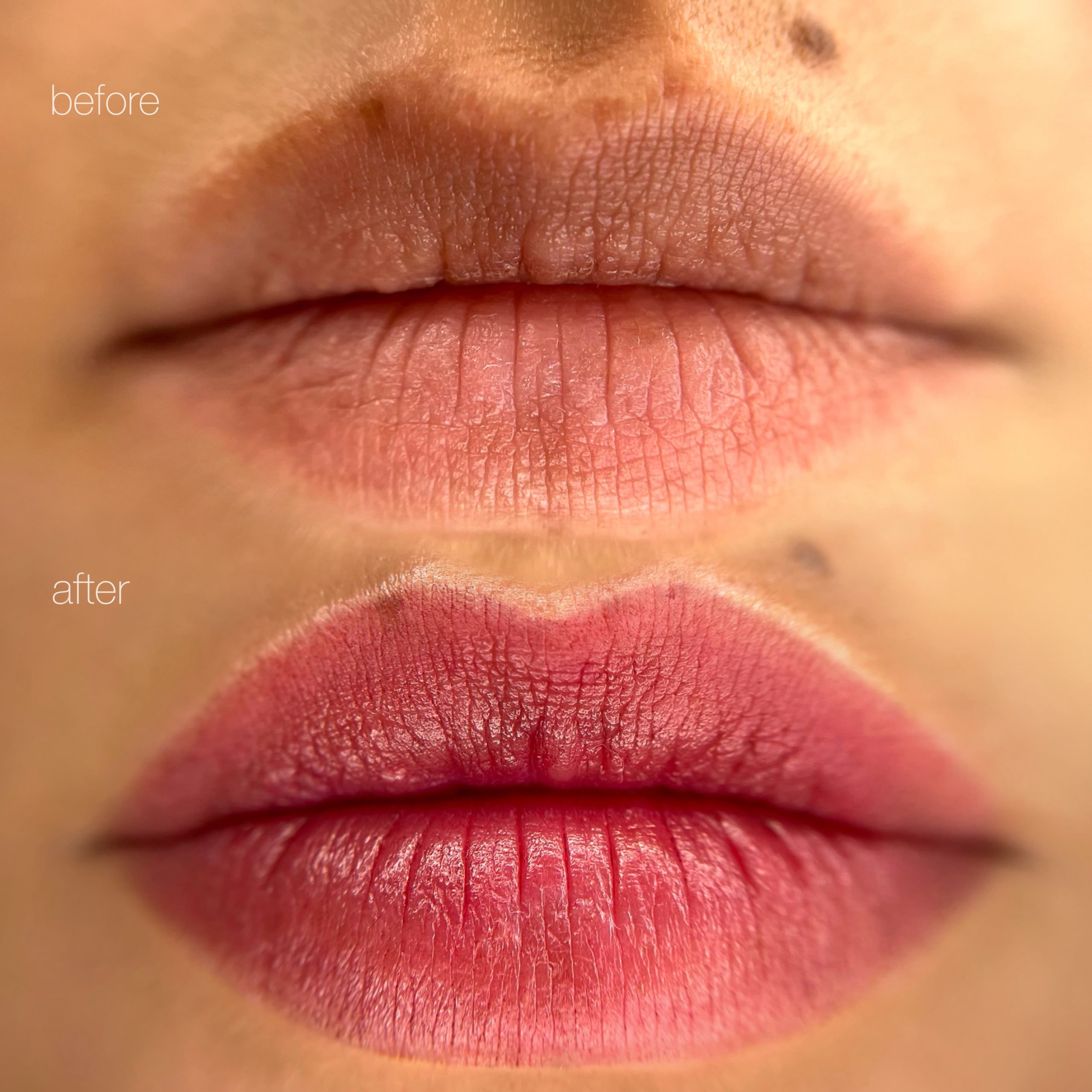
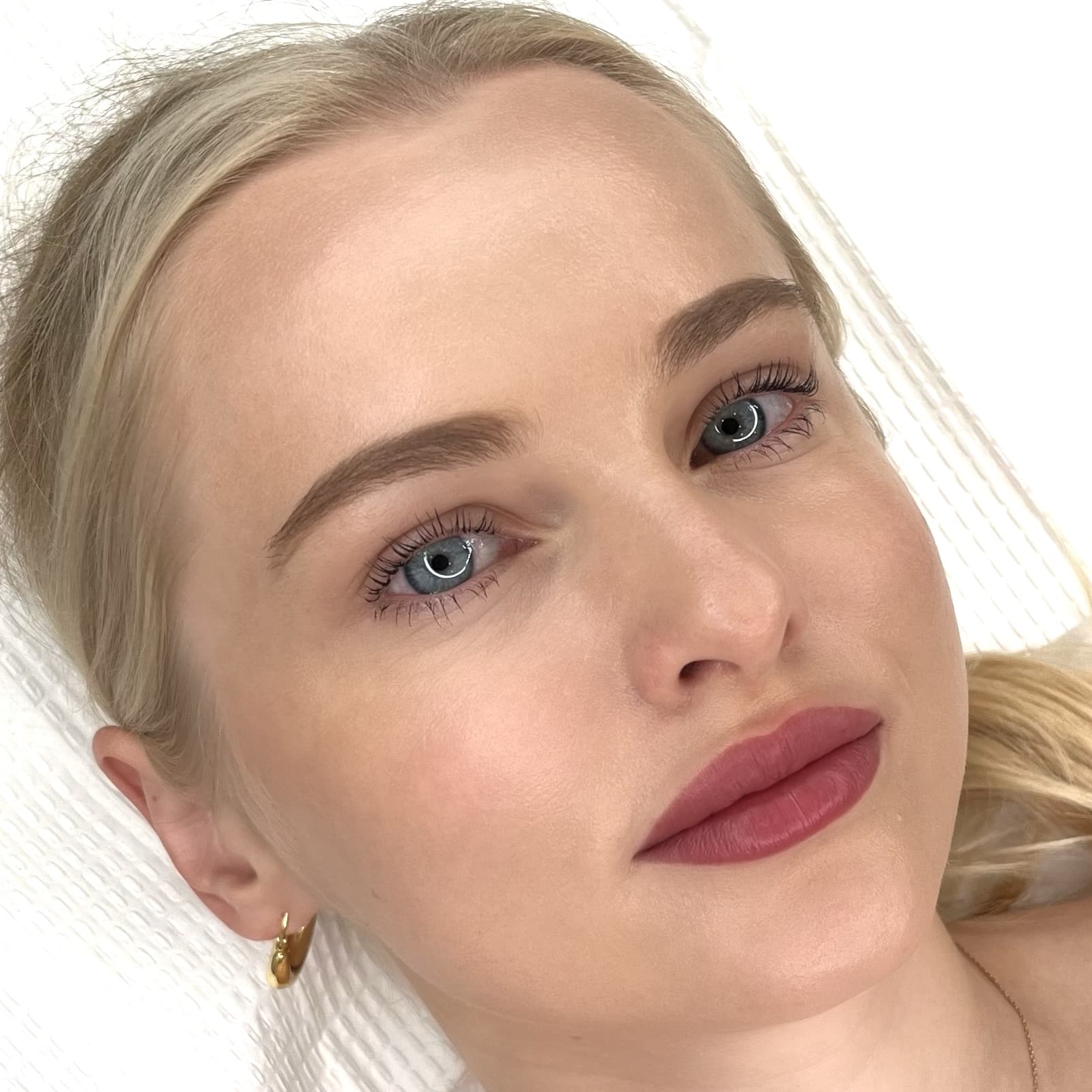
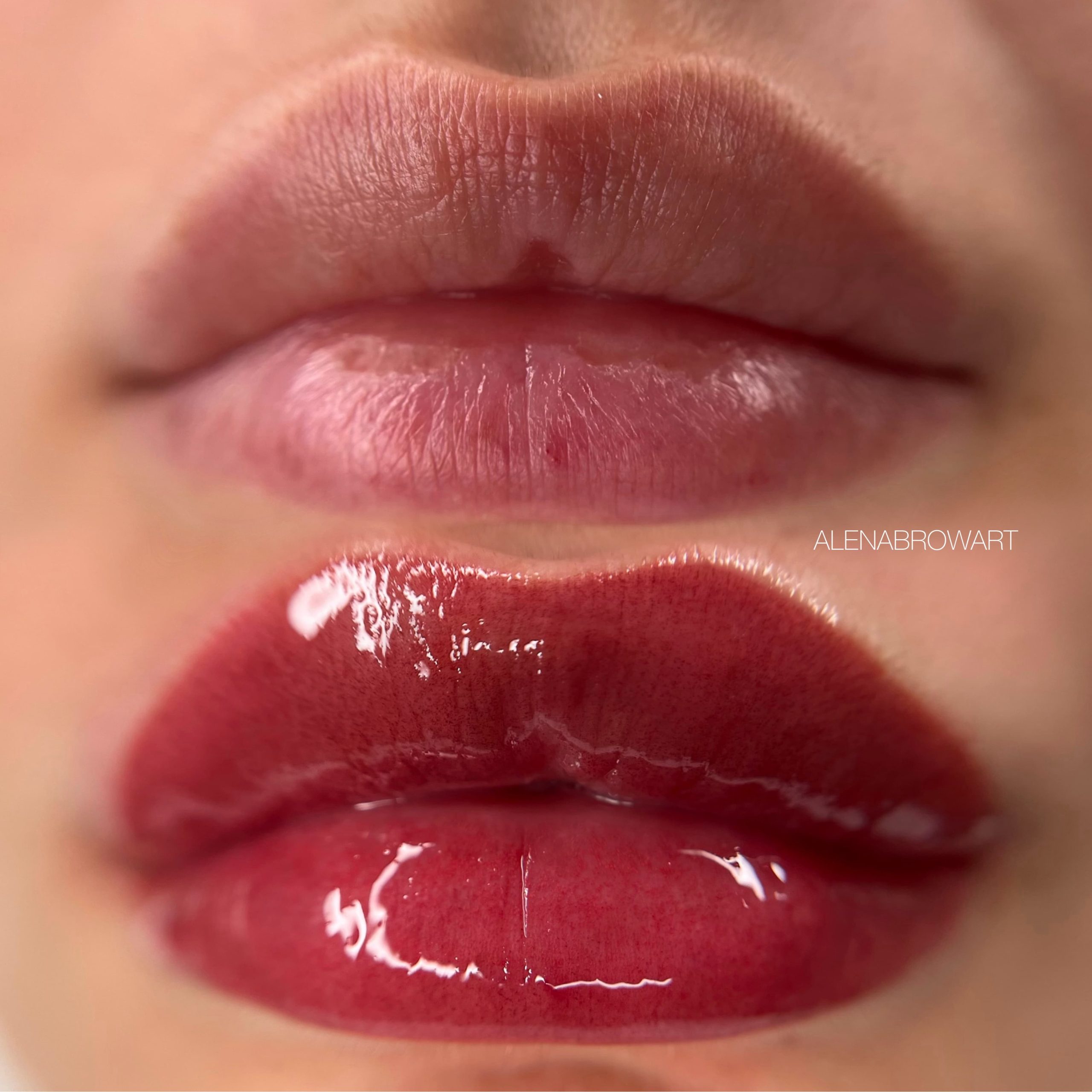
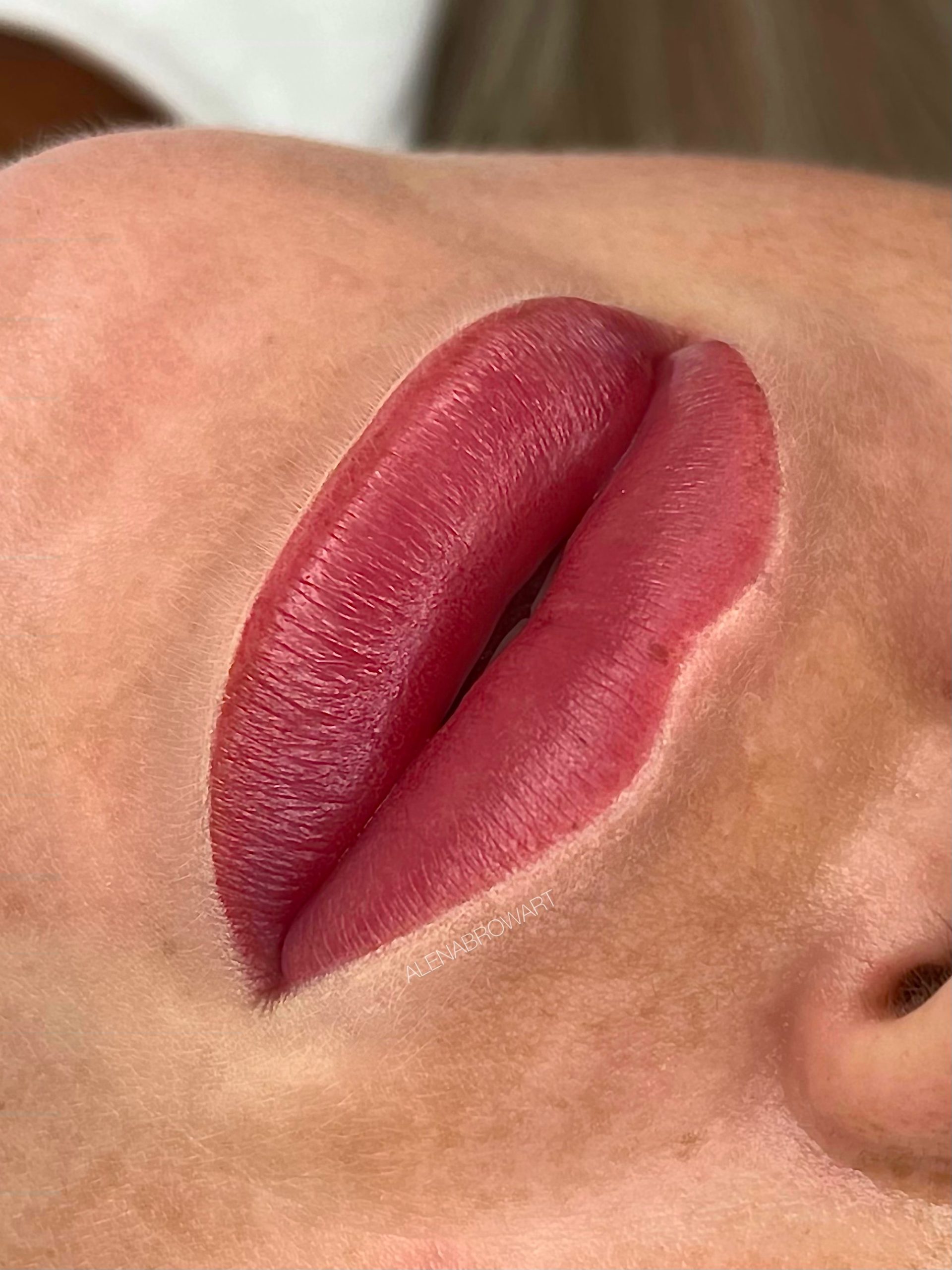
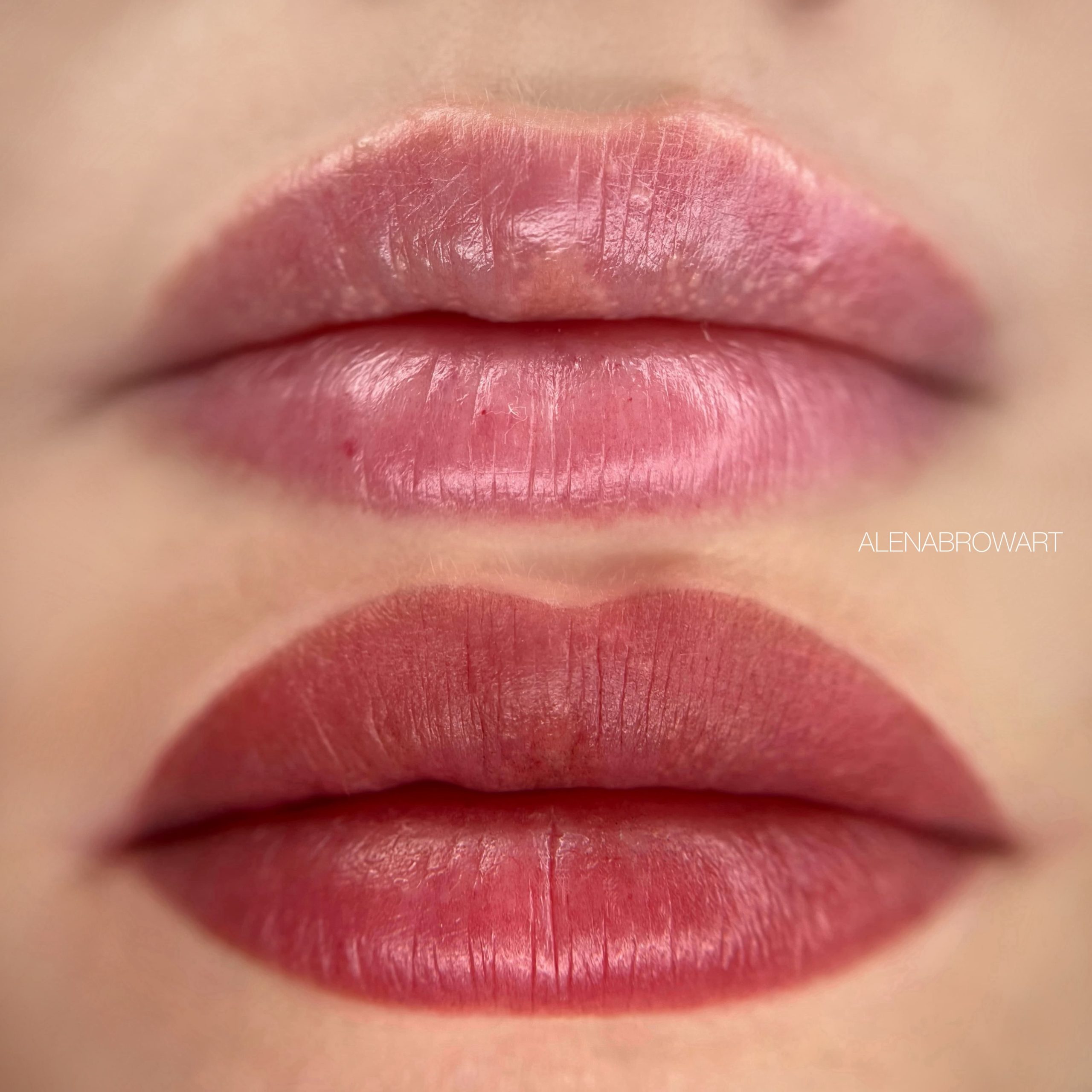
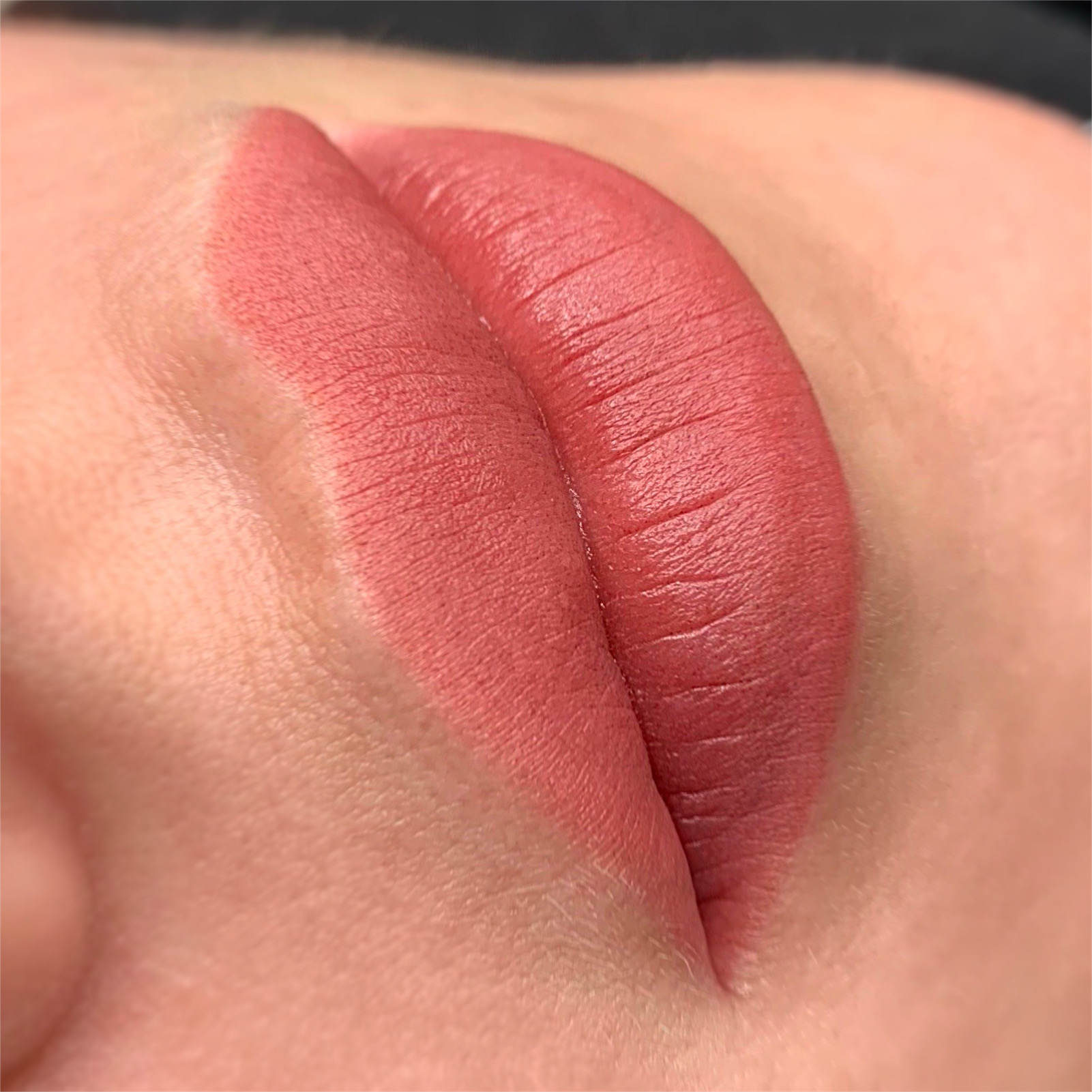
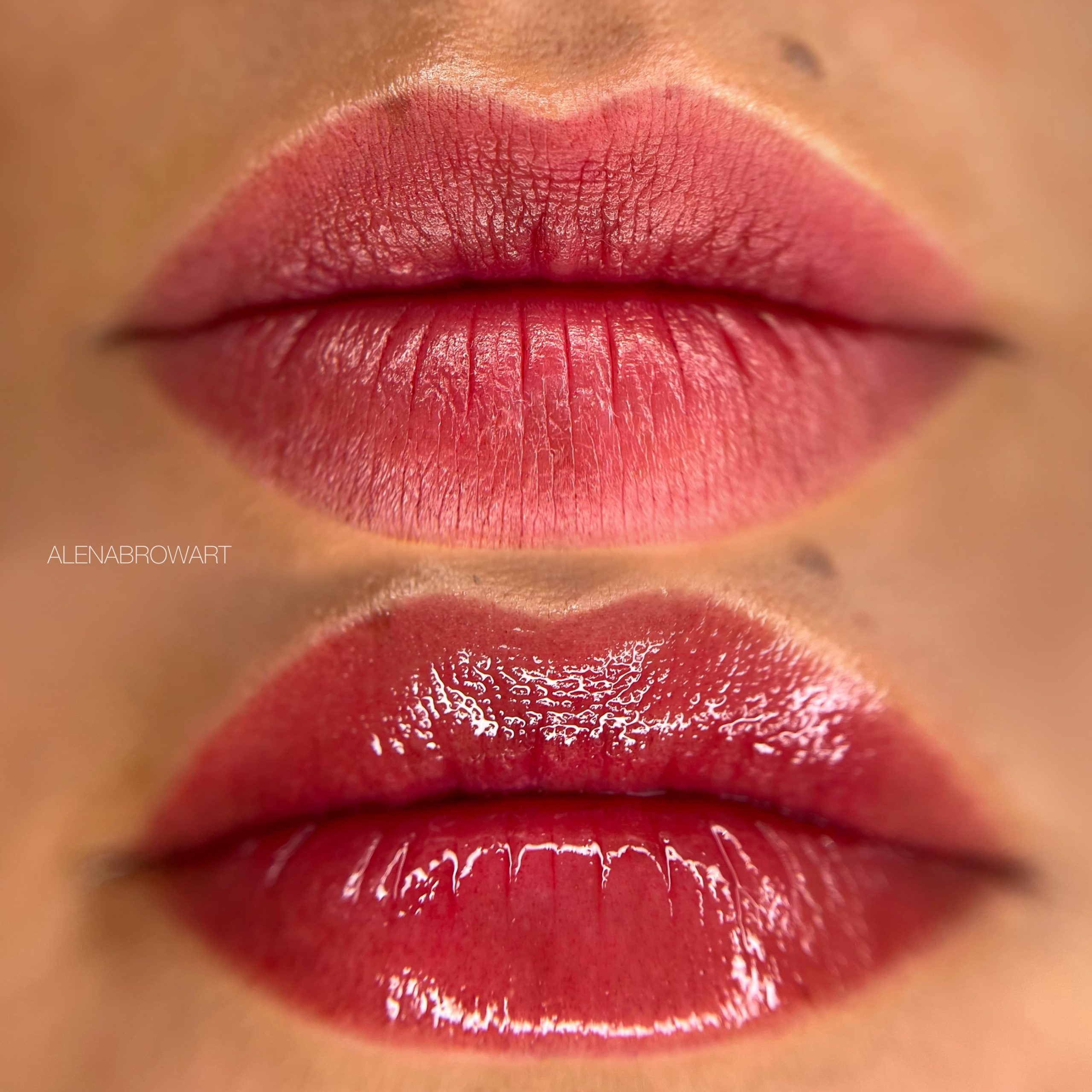
Lip Blush is a permanent makeup technique that adds a soft, even wash of color while preserving the natural texture and character of the lips. It can restore definition to a faded lip border, improve visual balance, and give pale or unevenly colored lips a healthier, more consistent tone.
Once healed, the result should look like naturally tinted lips rather than opaque lipstick.
Designed for Your Natural Lip Shape
Every Lip Blush treatment is customized to your natural lip shape, undertone, existing pigmentation, and individual features. The goal is not to draw a new shape or create an obvious outline, but to restore definition and improve visual balance while keeping the lips recognizable as your own.
Small asymmetries can often be softened through thoughtful mapping and color placement, but the design remains within the natural structure of the lips.
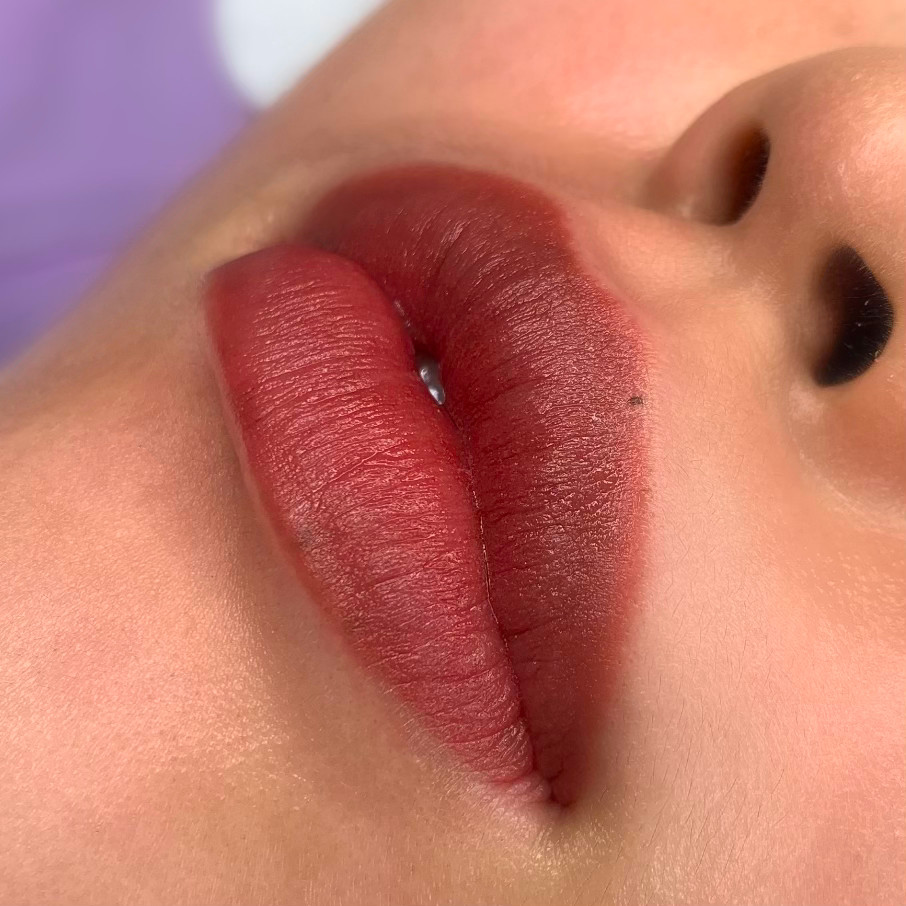
Pigments are selected individually, from transparent nude and rose tones to richer pink, coral, or berry shades. The chosen color should work with your natural pigmentation and remain balanced as it gradually fades.
Soft Color and Subtle Definition
Lip Blush may be suitable for lips that appear pale, uneven in color, or less defined around the border. It can also help soften the appearance of minor pigmentation differences and make Fordyce spots less visually noticeable, although the result depends on their placement and the natural color of the lips.
Restoring the border and creating a more even distribution of color can make the lips appear fuller and more symmetrical. Lip Blush does not add physical volume and does not replace lip filler.
The result can be kept very subtle or made slightly more saturated depending on your natural coloring and personal preferences.
Alena Brow Art offers individualized Lip Blush appointments in Midtown Manhattan near Grand Central for clients throughout New York City.
Prices
Before Your Lip Blush Procedure
Follow these instructions to help keep your lips calm, hydrated, and ready for the procedure.
Several days before your appointment:
- Keep your lips moisturized. At night, apply a thin layer of a simple lip balm or moisturizer that you have used before.
- Do not bite, pick, peel, or aggressively exfoliate your lips. They should be intact and free from cracks, open areas, or significant irritation.
- Avoid tanning and prolonged direct sun exposure. Lip Blush cannot be performed on sunburned, peeling, severely chapped, or irritated lips.
- Avoid chemical peels, microdermabrasion, laser treatments, and other resurfacing procedures around the mouth for at least 2 weeks.
- Avoid Botox and other injectable treatments around the mouth for at least 2 weeks.
- Schedule Lip Blush at least 4–6 weeks after injectable lip augmentation and only after all swelling, bruising, tenderness, and unevenness have fully resolved.
24 hours before your appointment:
- Do not drink alcohol.
- Avoid aspirin, ibuprofen, naproxen, and supplements that may increase bleeding unless they are prescribed or medically necessary.
- Do not stop or change any prescribed medication, including blood thinners, without approval from your healthcare provider. Please inform us before your appointment if you take these medications regularly.
On the day of your appointment:
- Avoid coffee, energy drinks, and excessive caffeine.
- Eat a normal meal and drink enough water before your appointment.
- Arrive with clean lips. Do not apply lipstick, lip liner, gloss, or lip-plumping products.
If you have ever had a cold sore:
Please inform us before your appointment and speak with your healthcare provider about whether preventive antiviral medication is appropriate for you. Follow the medication schedule provided by your healthcare provider. The appointment must be postponed if you develop tingling, burning, blisters, or an active cold sore.
Dehydrated or irritated lips, recent cosmetic treatments, increased bleeding, or an active cold sore may affect the procedure and healing process. In some cases, the appointment may need to be rescheduled.
Lip Blush Aftercare
- On the day of the procedure, gently clean your lips every hour using clean cotton pads dampened with bottled water. Do not rub. After cleaning, apply a very thin layer of the aftercare balm provided by the studio.
- Continue applying a very thin layer of the provided aftercare balm as needed for 4–5 days. Use only enough to prevent excessive dryness and do not overapply.
- For the first 24 hours, use a straw for beverages other than water to minimize contact with the treated lips. Avoid very hot drinks.
- Avoid alcohol for 24 hours. During the first few days, avoid very hot, spicy, salty, or acidic foods that may irritate the lips.
- Do not touch, rub, bite, lick, pick, or peel your lips. Allow any flaking or scabbing to come away naturally.
- Do not apply lipstick, lip gloss, or other cosmetic lip products until the lips have healed.
- Avoid swimming and hot tubs until all flaking or scabbing is completely gone and the lips have healed, usually within 7–10 days.
- Avoid saunas and steam rooms for 2–3 weeks.
- Avoid teeth-whitening treatments for 4 weeks.
- Schedule injectable lip augmentation no sooner than 4–6 weeks after Lip Blush and only after the lips have fully healed.
- Avoid tanning beds, sunbathing, and direct sun exposure while the lips are healing. Once the skin has fully healed, use a lip-safe, broad-spectrum SPF 50 product.
Lip Blush Healing Process
Immediately after the procedure, the lips will appear brighter and more saturated than the final healed result. Mild swelling, tenderness, or redness may occur and usually subsides within the first few days.
During the first 7–10 days, the lips may feel dry and develop light flaking or fine scabbing. Allow this to come away naturally without picking or peeling.
Once the flaking has ended, the color may temporarily appear very pale, uneven, or less visible. This is part of the healing process and should not be considered the final result. Allow approximately 4–6 weeks for the color to fully settle.
Some fading after the initial procedure is expected, but the amount varies from person to person. An optional touch-up, if needed, is scheduled 4–8 weeks after the initial appointment.
Once healed, the color will gradually soften and fade over time. A color refresh is commonly considered after approximately 1.5–2 years, although the timing varies depending on the pigment shade, sun exposure, skincare, lifestyle, individual healing, and desired saturation.
Lip Blush Contraindications
Lip Blush may not be suitable for everyone. Please disclose any relevant medical conditions, medications, allergies, and recent treatments before booking. Depending on your individual circumstances, the appointment may need to be postponed or medical clearance may be requested.
The procedure cannot be performed if:
- You are under 18 years of age.
- You are pregnant or breastfeeding.
- You are under the influence of alcohol or recreational drugs, or are unable to provide informed consent.
- You currently have a fever, acute infection, or are feeling significantly unwell.
- You have tingling, burning, blisters, or an active cold sore.
- The lips are severely chapped, cracked, sunburned, peeling, or significantly irritated.
- There is an active infection, rash, dermatitis flare, open wound, or other unresolved inflammation on or around the lips.
- There is an undiagnosed mole, lesion, growth, or other skin change in the treatment area.
- The lips have not fully healed following surgery, laser treatment, chemical peeling, dental treatment, or another procedure around the mouth.
- Injectable lip augmentation was performed less than 4–6 weeks ago, or swelling, bruising, tenderness, or unevenness is still present.
Please contact us before booking. Medical clearance may be required if you have:
- A bleeding or clotting disorder, or take prescribed blood-thinning medication.
- Diabetes or a history of delayed wound healing.
- An autoimmune condition, immune deficiency, leukemia or another active cancer, or are currently receiving chemotherapy or immunosuppressive treatment.
- Epilepsy or another seizure disorder.
- Uncontrolled high blood pressure or a serious cardiovascular condition.
- A history of keloid or abnormal scarring.
- A significant allergy or previous reaction to tattoo pigments, topical anesthetics, latex, antiseptics, or aftercare products.
- A history of cold sores. Please inform us before your appointment and speak with your healthcare provider about whether preventive antiviral medication is appropriate for you.
- Recently undergone surgery, dental treatment, injectable treatment, or another medical procedure around the mouth.